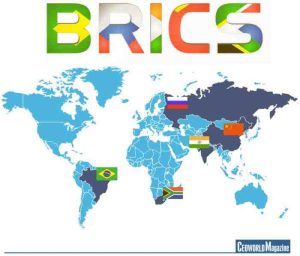
The global economic landscape is constantly shifting, with emerging markets playing an increasingly pivotal role. Understanding which nations offer the most promising avenues for economic growth is crucial for investors, businesses, and policymakers alike. This exploration delves into the key characteristics of emerging markets, examining critical economic indicators and highlighting the top contenders across Africa, Asia, and Latin America.
We’ll also analyze the inherent risks and opportunities, the role of sustainable development and technological advancements, and finally, offer a glimpse into the future trajectory of these dynamic economies.
This analysis considers a range of factors, from robust infrastructure and skilled workforces to stable political environments and supportive government policies. By comparing and contrasting different emerging markets, we aim to provide a comprehensive overview that informs strategic decision-making and fosters a deeper understanding of the global economic order.
Identifying Key Economic Indicators
Understanding the growth potential of emerging markets requires a nuanced approach, going beyond simple GDP figures. A comprehensive assessment necessitates analyzing a range of interconnected economic indicators that paint a holistic picture of a nation’s economic health and future prospects. These indicators provide insights into various aspects of the economy, from production and consumption to investment and financial stability.
Analyzing these indicators in conjunction allows for a more accurate prediction of future economic growth.
Several key economic indicators are crucial for evaluating the growth potential of emerging markets. These indicators are interconnected, meaning a change in one often influences others, creating a complex web of economic activity. For example, strong GDP growth might lead to increased inflation, which in turn could impact interest rates and investment. Therefore, it is vital to consider these indicators holistically rather than in isolation.
Key Economic Indicators for Assessing Emerging Market Growth Potential
| Indicator | Description | Significance | Data Source |
|---|---|---|---|
| Gross Domestic Product (GDP) Growth Rate | The percentage change in the total value of goods and services produced within a country’s borders over a specific period (usually a year or quarter). | A fundamental measure of economic output and overall growth. High and sustained GDP growth indicates a healthy and expanding economy. | International Monetary Fund (IMF), World Bank, national statistical agencies. |
| Inflation Rate | The rate at which the general level of prices for goods and services is rising, and subsequently, purchasing power is falling. | High inflation erodes purchasing power and can destabilize the economy. Moderate inflation is generally considered healthy, but excessive inflation can hinder investment and economic growth. | National statistical agencies, central banks. |
| Foreign Direct Investment (FDI) | Investment made by a company or individual in a foreign country to gain control or influence over an existing business or to create a new business. | FDI is a crucial driver of economic growth, bringing in capital, technology, and expertise. High FDI inflows suggest confidence in the country’s economic prospects. | World Bank, UN Conference on Trade and Development (UNCTAD). |
| Unemployment Rate | The percentage of the labor force that is unemployed and actively seeking employment. | High unemployment indicates underutilized resources and potential social unrest. Low unemployment suggests a healthy economy with strong demand for labor. | National statistical agencies, labor ministries. |
| Current Account Balance | The difference between a country’s total exports and total imports of goods and services. | A large current account deficit can indicate unsustainable economic growth, relying heavily on foreign borrowing. A surplus suggests a strong export sector and positive economic fundamentals. | IMF, national central banks. |
| Government Debt-to-GDP Ratio | The ratio of a country’s government debt to its GDP. | High levels of government debt can constrain future economic growth by limiting government spending on essential services and infrastructure. | IMF, World Bank, national finance ministries. |
| Per Capita Income | A measure of the average income earned per person in a country. | Indicates the overall standard of living and purchasing power of the population. Growth in per capita income signals improved living standards. | World Bank, national statistical agencies. |
Top Emerging Markets for Growth
The African continent presents a compelling landscape of emerging markets ripe for economic expansion. Driven by a young and rapidly growing population, abundant natural resources, and increasing investment in infrastructure, several African nations are experiencing significant economic growth. This section will focus on three such nations, highlighting their strengths, weaknesses, and the opportunities and challenges they face.
African Nations with Significant Economic Growth Potential
This section analyzes three African nations exhibiting substantial economic growth potential: Ethiopia, Kenya, and Nigeria. Each nation possesses unique economic strengths and weaknesses, shaped by their respective histories, geographical locations, and policy choices. Their growth trajectories, while promising, are also subject to various challenges that require careful management.
Ethiopia
Ethiopia’s economy has shown remarkable resilience and growth over the past two decades, driven primarily by government-led investments in infrastructure, particularly in agriculture and energy. Its large and young population provides a substantial workforce, though significant challenges remain in terms of education and skill development. While the agricultural sector is dominant, the government is actively promoting industrialization and diversification.
However, political instability and recurring droughts pose considerable risks.
- Opportunities: Large and growing population, significant agricultural potential, ongoing infrastructure development, increasing foreign direct investment.
- Challenges: Political instability, recurrent droughts and climate change vulnerability, limited access to finance, infrastructure gaps outside major cities, uneven distribution of wealth.
Kenya
Kenya boasts a relatively diversified economy, with strong growth in sectors such as telecommunications, tourism, and finance. Its strategic location and relatively developed infrastructure make it a regional hub for trade and investment. However, high levels of inequality and a reliance on agriculture make it vulnerable to external shocks. The growth of its technology sector, particularly mobile money services (M-Pesa), is a key driver of innovation and financial inclusion.
- Opportunities: Strong telecommunications infrastructure, growing tourism sector, regional trade hub, vibrant technology sector, improving business environment.
- Challenges: High levels of income inequality, dependence on agriculture, corruption, infrastructure gaps in rural areas, political instability.
Nigeria
Nigeria, Africa’s largest economy, possesses abundant natural resources, particularly oil and gas. However, its economic growth has been volatile, hampered by dependence on the oil sector, corruption, and infrastructure deficiencies. The country is undergoing significant reforms aimed at diversifying its economy and improving the business environment. A large and youthful population presents both a massive opportunity and a challenge in terms of job creation and human capital development.
- Opportunities: Abundant natural resources, large consumer market, growing technology sector, significant potential for agricultural growth.
- Challenges: Dependence on oil, corruption, insecurity, inadequate infrastructure, high unemployment, inequality.
Top Emerging Markets for Growth
Asia presents a compelling landscape of emerging markets poised for significant economic expansion. Several nations are driving this growth through strategic economic policies, attracting foreign investment, and fostering innovation. This section focuses on three key players, analyzing their unique approaches to development and identifying both commonalities and divergences in their strategies.
Asian Economic Growth Strategies: A Comparative Analysis
This section compares the economic strategies of three Asian nations exhibiting substantial growth potential: India, Vietnam, and Indonesia. Each nation leverages its unique strengths and addresses specific challenges to achieve sustained economic progress.
India’s Economic Strategy
India’s economic strategy hinges on a combination of factors. A large and young population provides a substantial workforce and growing consumer market. Furthermore, the government has undertaken significant reforms to improve infrastructure, ease business regulations, and promote digitalization. Initiatives like “Make in India” aim to boost domestic manufacturing, while investments in renewable energy signify a commitment to sustainable development.
However, challenges remain, including addressing income inequality and improving educational attainment to fully realize its human capital potential. India’s success relies on continued policy reforms and consistent investment in infrastructure and human development.
Vietnam’s Economic Strategy
Vietnam has successfully integrated into the global economy, attracting significant foreign direct investment (FDI) through export-oriented manufacturing, particularly in electronics and textiles. Its strategic location in Southeast Asia, coupled with a relatively stable political environment and a young, adaptable workforce, have been key drivers of growth. The government’s focus on improving infrastructure, particularly its ports and transportation networks, has facilitated trade and further encouraged FDI.
While Vietnam continues to benefit from its low labor costs, the country is actively working to transition towards higher-value manufacturing and technology-driven industries to ensure long-term sustainable growth. Maintaining macroeconomic stability and continuing investment in education and skills development will be crucial for future success.
Indonesia’s Economic Strategy
Indonesia, the largest economy in Southeast Asia, benefits from abundant natural resources and a substantial domestic market. Its economic strategy emphasizes infrastructure development, particularly in transportation and energy, to support its growing economy. The government is also focusing on developing its digital economy and promoting tourism. The country’s vast archipelago presents logistical challenges, but efforts to improve connectivity and reduce bureaucratic hurdles are underway.
Indonesia’s economic growth is also linked to its efforts to diversify its economy, reduce reliance on commodities, and enhance its human capital through education and skills development. Successfully navigating environmental challenges and fostering sustainable development will be vital for Indonesia’s long-term economic prosperity.
Similarities and Differences in Asian Economic Strategies
All three nations share a commitment to attracting foreign investment, improving infrastructure, and developing their human capital. However, their approaches differ in emphasis. India focuses on a large domestic market and “Make in India” initiatives, while Vietnam prioritizes export-oriented manufacturing and FDI attraction. Indonesia, with its abundant natural resources, emphasizes infrastructure development and diversification beyond commodity dependence.
While each nation’s specific context shapes its strategy, the common thread is a commitment to long-term sustainable economic growth through strategic investment and policy reforms.
Top Emerging Markets for Growth
Latin America presents a complex tapestry of economic opportunities and challenges. While historical volatility and inequality remain significant hurdles, several nations are demonstrating robust growth potential, driven by a combination of favorable demographics, resource wealth, and strategic policy shifts. Understanding the specific drivers of growth in these economies, as well as their infrastructural limitations, is crucial for investors and policymakers alike.
Latin American Nations with Strong Growth Prospects
Three Latin American nations stand out for their promising economic trajectories: Mexico, Colombia, and Chile. Each boasts unique strengths and faces distinct obstacles, but all share a commitment to diversifying their economies and improving their business climates. These countries are not without their challenges; however, their potential for growth is significant.
Mexico: Diversification and Manufacturing
Mexico’s economy is heavily reliant on its manufacturing sector, particularly its automotive and aerospace industries. The country’s proximity to the United States, coupled with its relatively low labor costs, makes it an attractive destination for foreign direct investment (FDI). Recent efforts to diversify its economy into sectors such as renewable energy and technology are also showing promise. Infrastructure development, while uneven, is gradually improving, with ongoing investments in transportation networks and digital connectivity facilitating economic expansion.
The socio-economic landscape is characterized by a significant disparity between wealthier urban centers and more impoverished rural areas. This inequality presents a challenge but also represents a potential market for growth in areas such as affordable housing and access to essential services.
Colombia: Natural Resources and Services
Colombia’s economy is benefiting from a boom in its natural resource sector, particularly oil and mining. However, the country is actively pursuing diversification into services, including tourism and technology. This strategic shift aims to reduce reliance on volatile commodity prices and create a more resilient economy. Improvements in security and infrastructure, including the expansion of its road and port networks, have facilitated economic activity.
Colombia’s socio-economic landscape is marked by a gradual reduction in conflict-related instability, leading to increased investment and economic opportunities. However, challenges remain in addressing income inequality and providing adequate access to education and healthcare across the country.
Chile: Natural Resources and Mining
Chile’s economy has long been dominated by its mining sector, particularly copper production. However, the country is actively diversifying its economy, focusing on sectors such as renewable energy, tourism, and technology. Chile possesses a strong institutional framework and a relatively stable political environment, attracting significant FDI. Its infrastructure, particularly its port facilities and transportation networks, is relatively well-developed compared to other Latin American nations, facilitating efficient trade and logistics.
Chile’s socio-economic landscape is characterized by a high level of human development, but significant inequality persists. The government is actively working to address these disparities through social programs and investment in education and healthcare. Despite facing challenges related to water scarcity and the volatility of commodity prices, Chile’s strong fundamentals and commitment to diversification position it for continued growth.
Risks and Challenges in Emerging Markets
Investing in emerging markets offers significant potential for high returns, but it also presents a unique set of risks and challenges that investors must carefully consider. These risks stem from a complex interplay of political, economic, and social factors, often amplified by the impact of global economic events. A thorough understanding of these risks and the implementation of effective mitigation strategies are crucial for successful investment in these dynamic markets.Emerging markets are inherently more volatile than developed economies due to their susceptibility to various internal and external shocks.
Political instability, economic fragility, and social unrest can all significantly impact investment returns. Furthermore, these markets are often more exposed to global economic fluctuations, making them vulnerable to downturns in developed economies. For example, a global recession can severely impact export-oriented emerging economies reliant on demand from developed nations.
Political Risks
Political risks in emerging markets encompass a broad range of factors, including government instability, corruption, policy uncertainty, and the risk of nationalization or expropriation. Weak governance structures, frequent changes in leadership, and a lack of transparency can create uncertainty for investors. Corruption can lead to inefficient resource allocation and distort market mechanisms, while unpredictable policy changes can negatively impact business operations and investment returns.
The risk of nationalization, where the government seizes private assets, is a significant concern in some emerging markets, particularly in sectors deemed strategically important. For instance, the nationalization of industries in Venezuela significantly impacted foreign investors.
Economic Risks
Economic risks in emerging markets include currency volatility, inflation, high debt levels, and macroeconomic imbalances. Fluctuations in exchange rates can significantly impact the value of investments denominated in local currencies. High inflation erodes purchasing power and can lead to higher interest rates, impacting profitability. High levels of public and private debt can make economies vulnerable to financial crises, while imbalances in current accounts and budget deficits can create macroeconomic instability.
The 1997-98 Asian financial crisis serves as a stark example of the consequences of economic mismanagement and vulnerability to external shocks.
Social Risks
Social risks encompass factors such as social unrest, inequality, and demographic challenges. Social tensions and political instability can disrupt business operations and damage investor confidence. High levels of income inequality can create social unrest and undermine economic stability. Rapid population growth, coupled with limited resources and infrastructure, can strain economies and exacerbate social problems. The Arab Spring uprisings highlight the significant impact that social and political factors can have on economic development and investment prospects.
Impact of Global Economic Events
Global economic events, such as recessions, financial crises, and commodity price shocks, can have a significant impact on emerging markets. These economies are often heavily reliant on exports and foreign investment, making them vulnerable to downturns in developed economies. A global recession can lead to a sharp decline in demand for exports from emerging markets, impacting economic growth and investment returns.
Similarly, changes in commodity prices can have a major impact on commodity-exporting economies. For example, the decline in oil prices in recent years significantly affected the economies of many oil-producing emerging markets.
Strategies for Mitigating Risks
Investors can employ several strategies to mitigate the risks associated with investing in emerging markets. Diversification across different markets and asset classes is crucial to reduce exposure to specific risks. Thorough due diligence and a deep understanding of the political, economic, and social landscape of each market are essential. Hedging strategies, such as currency hedging, can help to protect against exchange rate fluctuations.
Investing in companies with strong corporate governance and a proven track record can also help to reduce risk. Furthermore, partnering with local experts and engaging in responsible investment practices can enhance risk management and contribute to sustainable development.
Investing in emerging markets presents both significant opportunities and considerable challenges. While the potential for high returns is undeniable, careful consideration of political, economic, and social risks is paramount. By focusing on sustainable development, embracing technological innovation, and diligently mitigating risks, investors and businesses can harness the immense potential of these dynamic economies. The future of global economic growth is inextricably linked to the success of emerging markets, making a thorough understanding of their unique characteristics and potential crucial for navigating the complexities of the 21st-century marketplace.
Continuous monitoring and adaptation are key to successfully participating in this dynamic and ever-evolving landscape.
Q&A
What are the biggest risks associated with investing in emerging markets?
Significant risks include political instability, currency fluctuations, regulatory uncertainty, and infrastructure limitations. Global economic shocks can also disproportionately impact these markets.
How can I mitigate the risks of investing in emerging markets?
Diversification across multiple countries and sectors, thorough due diligence, and a long-term investment horizon are crucial. Hedging strategies against currency fluctuations can also be beneficial.
What are some examples of successful sustainable development initiatives in emerging markets?
Examples include investments in renewable energy, sustainable agriculture, and responsible tourism. Many emerging markets are integrating environmental, social, and governance (ESG) factors into their economic planning.
Which emerging markets are most attractive for technology investments?
Countries with strong digital infrastructure, a growing tech-savvy population, and supportive government policies are generally attractive. Specific sectors to watch include fintech, e-commerce, and renewable energy technology.